Weed Control
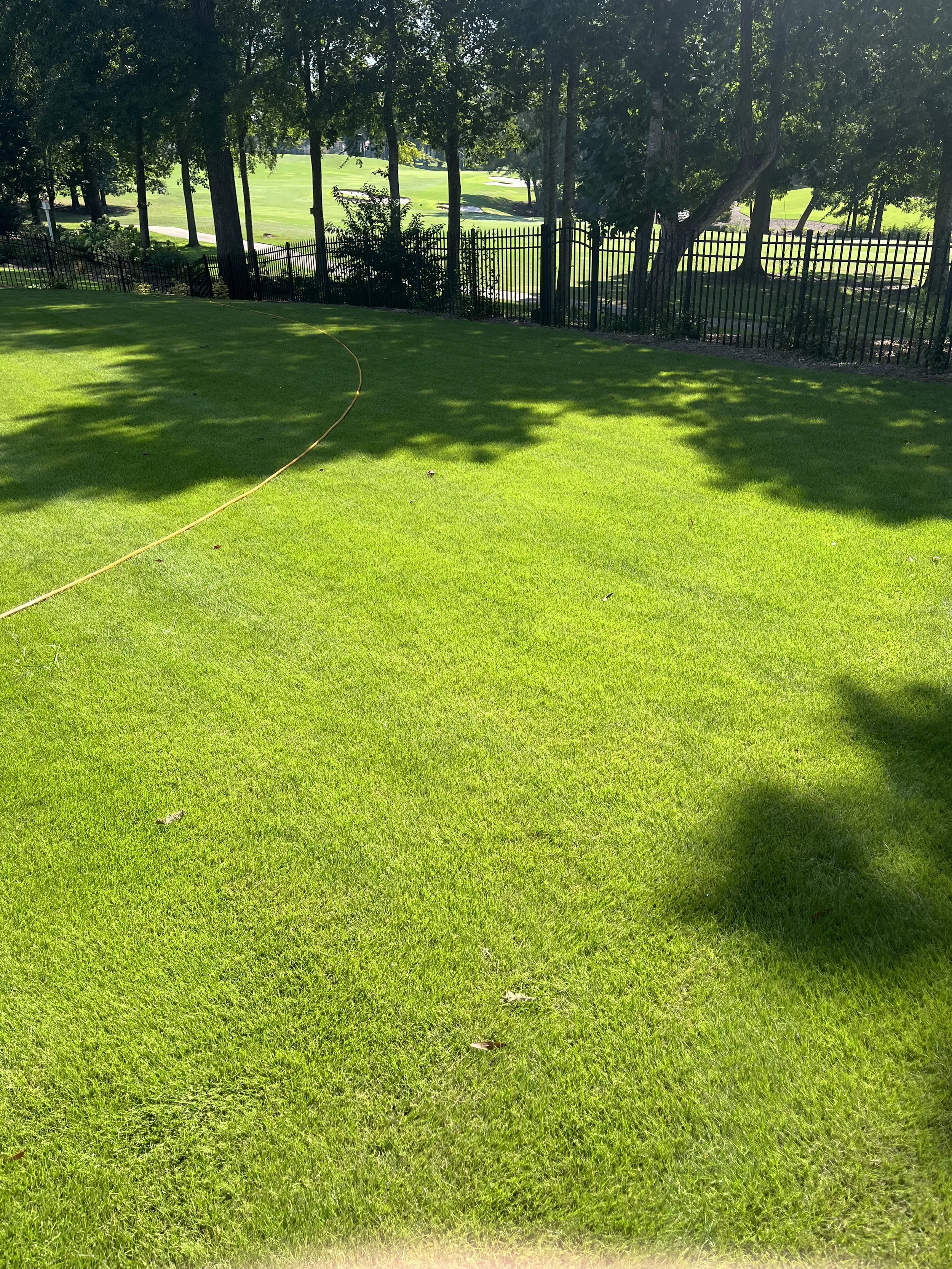
Controlling weeds in lawns is essential for creating and maintaining the healthy, attractive turf Athens homeowners expect. Weeds compete directly with desirable grass for water, sunlight, and soil nutrients, and left unchecked they thin turf density, open spaces for pests and disease, and make the lawn look uneven and unkempt. A focused weed-control strategy does more than remove unsightly plants — it preserves the functional health and long-term resilience of the lawn.
Why weed control matters
Competition for resources: Weeds draw moisture and nutrients away from turfgrass. Even a small population of aggressive weeds can stress grass, especially during hot, dry spells common here in Athens.
Reduced turf density: Weeds occupy space and light that grass needs to fill, preventing thick, uniform coverage. Thin lawns are more prone to erosion, patching, and reinvasion by other weeds.
Increased pest and disease risk: Weeds can act as hosts or shelter for insects and fungal pathogens, making disease outbreaks more likely and pest problems harder to manage.
Aesthetic and property value impact: A lawn overrun by weeds looks neglected and can reduce curb appeal, even if underlying turf is otherwise healthy.
The power of pairing weed control with targeted fertilization Weed suppression is far more effective when combined with a balanced, seasonally timed fertility program. Proper fertilization strengthens grass plants—developing deeper roots and more vigorous top growth—so turf can naturally outcompete many common weeds.
Strong roots = better competition: Regular, appropriate nutrient applications build root mass and resilience. Deep, healthy roots access moisture and nutrients that weeds often can’t reach, giving turf an advantage during stress periods.
Faster recovery after treatments: When weeds are controlled chemically or mechanically, turf needs resources to fill the vacated space quickly. Timely fertilization accelerates recovery, reducing bare spots that invite new weed establishment.
Reduced need for repeat chemical interventions: Dense, vigorous turf suppresses weed germination and establishment, meaning fewer herbicide applications over time.
Improved stress tolerance: Well-nourished lawns handle drought, heat, and traffic better, making them less vulnerable to reinfestation and seasonal weed flushes.
Practical outcomes for Athens lawns
More uniform, lush appearance: Combined weed control and fertility produce the dense, green turf homeowners want.
Greater seasonal resilience: Lawns recover faster from summer heat, winter dormancy, and occasional pest pressure.
Lower long‑term inputs: A proactive program reduces reliance on repeated chemical treatments and can lower overall maintenance time and cost.
Healthier ecosystem: Strong turf promotes better nutrient uptake and can help reduce runoff and erosion compared with patchy, weed-filled lawns.
Bottom line Consistent weed control paired with a targeted fertility plan creates a resilient, dense lawn that outcompetes weeds naturally, requires fewer chemical interventions, and withstands Athens’ seasonal stresses. That coordinated approach delivers the lush, uniform outdoor spaces homeowners enjoy year after year.